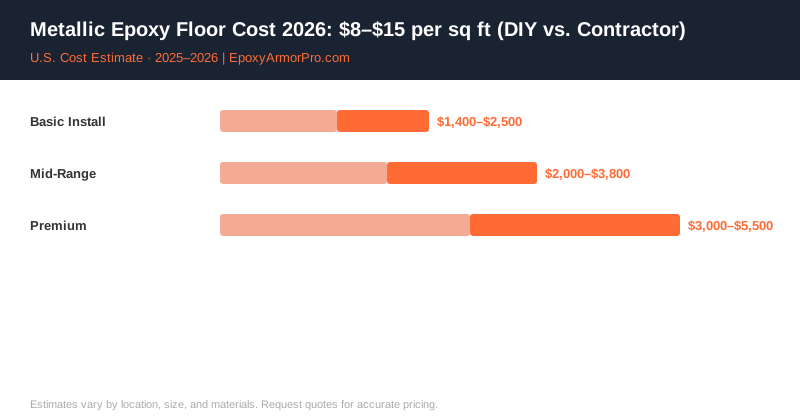
The $3,800 quote caught Mark off guard. He’d seen metallic epoxy garage floors all over Instagram — that swirling, molten-metal look — and figured it couldn’t cost that much more than regular epoxy. It’s just… a different color, right?
Not exactly. Metallic epoxy is a different system, not just a different shade. Understanding why it costs what it costs will help you decide whether the look is worth the investment — or whether DIY is a realistic option for your project.
What Metallic Epoxy Actually Is
Standard epoxy is pigmented with solid color — it looks good, but it’s flat. Metallic epoxy uses mica-based metallic powder suspended in a clear epoxy resin. When applied and manipulated while wet (using rollers, brushes, or even a heat gun), the pigment migrates and swirls to create a 3D lava-flow or liquid-metal effect. No two floors look the same.
The system typically runs three layers: a solid-color epoxy base coat, the metallic epoxy mid-coat (where all the visual work happens), and a clear urethane or polyaspartic topcoat for scratch and chemical resistance. That three-coat system is a big part of why contractor labor runs higher than a standard two-coat garage floor.
According to the Epoxy Flooring Association’s 2024 market survey, metallic epoxy now accounts for roughly 18% of all residential decorative flooring installs — up from about 7% in 2019 — driven largely by garage and basement remodels seen on social media.
Contractor Cost: What You’ll Actually Pay
| Project Type | Area | Estimated Total |
|---|---|---|
| Residential garage (1-car) | 200–250 sq ft | $1,600–$3,750 |
| Residential garage (2-car) | 400–500 sq ft | $3,200–$7,500 |
| Basement / living space | 500–800 sq ft | $4,000–$12,000 |
| Commercial showroom / lobby | 1,000–2,000 sq ft | $8,000–$30,000 |
| Cost per sq ft (installed) | — | $8–$15 |
The range is wide because metallic epoxy pricing depends on two things most homeowners don’t account for: the complexity of the pattern they want, and the concrete’s starting condition. A clean, flat slab with no cracks or staining is a $9/sq ft job. A slab with oil stains, previous paint, and surface cracking can push past $14/sq ft once prep is factored in.
DIY Metallic Epoxy: The Real Numbers
You can DIY metallic epoxy. Kits from brands like Leggari, Rust-Oleum, and ArmorPoxy run $200–$600 for a 250-square-foot coverage area, depending on the system tier. That’s a significant savings — but there are real limitations.
| DIY Option | Coverage | Cost | Skill Level |
|---|---|---|---|
| Entry-level metallic kit (single color) | 200 sq ft | $150–$280 | Intermediate |
| Mid-range kit (2-color blend, clear coat) | 250 sq ft | $280–$450 | Intermediate–Advanced |
| Professional-grade DIY system | 250 sq ft | $450–$600 | Advanced |
| Contractor install (for comparison) | 250 sq ft | $2,000–$3,750 | N/A |
The challenge with DIY metallic is the manipulation step. The swirling effect comes from working the wet resin with brushes, squeegees, and air movement — you need to move quickly and with intention. Most DIY videos make it look easier than it is. First-timers often end up with a floor that looks muddy or smeared rather than fluid and three-dimensional.
Prep Requirements (Don’t Skip This)
Whether you DIY or hire a contractor, concrete prep is identical to any other epoxy system. The concrete surface profile needs to be opened — typically by diamond grinding or acid etching — so the epoxy bonds at a mechanical level. The Concrete Polishing Association of America recommends a CSP-2 profile minimum for epoxy adhesion.
Any moisture issues need to be resolved before application. Metallic epoxy shows moisture failures more dramatically than solid-color systems — you’ll see cloudiness and early delamination in patches, which stands out against that polished look.
Common Colors and Finishes
The most popular metallic combinations in 2025–2026 residential work: pearl/white, bronze/copper, galaxy blue/silver, and charcoal/gunmetal. For commercial spaces — showrooms, lobbies, car dealerships — gold/champagne and white marble-effect finishes dominate.
Topcoat finish matters too. High gloss is the default and enhances the 3D depth effect. Satin finish softens the look and hides minor scratches better in high-traffic areas. Matte topcoats are available but uncommon with metallic systems — they mute the effect significantly.
Maintenance
Metallic epoxy is low-maintenance by design. Sweep regularly, damp-mop with a pH-neutral cleaner, and avoid dragging metal tools or furniture across the surface. The clear topcoat takes the abuse; the metallic layer beneath is protected. A full recoat is rarely needed before the 7–10 year mark under normal residential use.
Contractor Referral Disclaimer: EpoxyArmorPro is a contractor referral and cost information service, not a licensed flooring contractor. We connect consumers with independent, licensed, and insured contractors. We do not perform any flooring work directly. Cost estimates are averages based on market data and vary by location, project size, materials, and contractor. Always verify contractor licensing and insurance before hiring. Individual quotes may differ from estimates shown.