Two contractors quoted the same garage. One recommended solid-color epoxy in battleship grey. The other recommended a decorative flake system. The flake quote was $600 more. The homeowner asked why, and the contractor couldn’t explain it well. So they went with solid color to save the money.
Two years later: the solid color floor showed every tire mark, every scuff, every small chip. The neighbor who went with flake? Their floor still looked great.
Here’s what the contractor should have explained.
What Each System Is
Solid color epoxy is exactly what it sounds like: a base coat in a single color, optionally topped with a clear polyaspartic topcoat. No aggregate, no pattern. The color coat is typically one to two layers of 100% solids epoxy in a tint chosen by the homeowner.
Decorative flake epoxy (also called chip epoxy or broadcast epoxy) adds a step: after applying the color base coat while it’s still wet, the installer broadcasts colored vinyl flake chips across the surface. The flakes embed into the wet epoxy, then excess is scraped off, and a clear topcoat seals everything. The result is a textured, multi-colored surface.
The flake adds three things the solid color doesn’t have: pattern, texture, and something to look at beyond the single-color surface.
Cost Difference
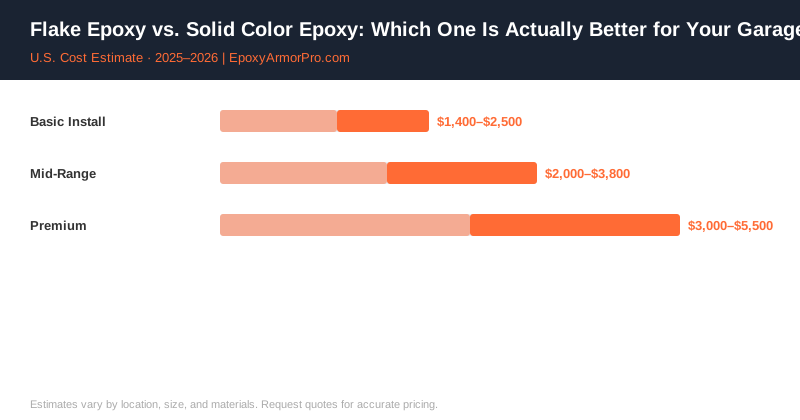
The flake system costs more — but not dramatically more. The vinyl flake material itself is inexpensive; the extra cost is mostly the additional time for broadcasting, scraping excess, and applying a sealing topcoat over irregular texture.
According to the Concrete Network, professional garage epoxy installations typically range from $3 to $8 per square foot nationally, with decorative flake systems landing in the middle-to-upper portion of that range.
| System | Cost (per sq ft) | 450 sq ft (2-car garage) | Notes |
|---|---|---|---|
| Solid-color epoxy (no topcoat) | $3.00–$4.50 | $1,350–$2,025 | Minimal UV protection |
| Solid-color epoxy with topcoat | $4.00–$6.00 | $1,800–$2,700 | Full system, recommended |
| Partial flake (50% coverage) | $4.50–$6.50 | $2,025–$2,925 | Less aggressive texture |
| Full flake (100% broadcast) | $5.00–$7.50 | $2,250–$3,375 | Full hide, max texture |
| Full flake with poly topcoat | $5.50–$8.00 | $2,475–$3,600 | Complete system |
The Imperfection-Hiding Advantage
Concrete slabs aren’t pristine. They have:
- Shrinkage cracks (hairline to 1/8")
- Patching from previous repairs
- Aggregate variation in the surface
- Staining from years of use
- Surface texture inconsistency from grinding
Solid-color epoxy covers these issues visually, but it doesn’t hide them — especially hairline cracks. Under a single-color surface, any slight surface variation casts a subtle shadow that catches the light and telegraphs the imperfection underneath. The more gloss in the topcoat, the more obvious these variations become.
Decorative flake breaks up the surface visually with a busy, multi-colored pattern. Your eye can’t focus on subtle concrete imperfections because there’s too much texture and color variation to process. It genuinely hides what solid color reveals.
Slip Resistance
This is one of the most practical differences between the two systems, and it’s often underrated.
Plain epoxy — especially high-gloss solid-color with a glossy polyaspartic topcoat — can be slippery when wet. This is a real safety issue in garages where water, snow melt, or oil can be on the floor.
Full broadcast decorative flake adds meaningful texture. The chip edges create micro-ridges that dramatically improve traction compared to a smooth surface. ASTM C1028 coefficient of friction testing consistently shows that broadcast chip systems outperform smooth solid-color epoxy on wet slip resistance.
For any space that gets wet — garage floor near the door, workshop with water access, basement laundry area — the flake system’s texture is a genuine safety benefit, not just aesthetics.
You can also add anti-slip aggregate to a solid-color topcoat (aluminum oxide or silica sand are common), but the result is a rough, industrial texture that doesn’t look as finished as natural flake texture.
Cleaning and Maintenance
Counterintuitively, full-broadcast flake floors are easier to keep looking clean than solid-color systems — even though the texture seems like it would collect dirt.
Solid-color epoxy shows:
- Every dust bunny and hair
- Tire marks from warm rubber
- Scuff marks from shoe soles
- Surface chips that contrast with the uniform background
Full-flake epoxy hides all of these in the pattern. Dust and debris blend into the chip variation. Tire marks are nearly invisible against the multi-color background. Small surface chips are hidden because the varied texture already creates visual noise at that scale.
Cleaning is essentially the same: sweep and mop with a neutral cleaner. But between cleanings, the flake system maintains its appearance better under daily use. Angi’s consumer data shows garage floor satisfaction ratings are consistently higher for decorative flake systems than solid-color installs — likely because they stay looking good with less effort.
When Solid Color Makes More Sense
Solid color isn’t always the wrong choice. There are situations where it’s the right call:
Commercial and industrial spaces: Solid color epoxy in safety grey, safety yellow, or specific OSHA zone colors is the standard for warehouses, manufacturing floors, and commercial kitchens where color coding serves a functional purpose. Flake pattern would obscure zone boundaries and safety markings.
Interior basement living spaces: If your basement is a finished living area — family room, home office, gym — solid color with a satin topcoat can look more sophisticated than garage-style flake broadcast. Pair it with area rugs and the floor reads more like a design choice.
Budget-limited projects: If cost is the primary constraint and solid color delivers the protection you need, it’s the right system at the right price.
Matching existing floors: In commercial spaces where you’re patching or extending an existing solid-color floor, matching the original color is the obvious choice regardless of what’s better in isolation.
The Default Recommendation
For the typical residential two-car garage: full-broadcast decorative flake with polyaspartic topcoat. It hides imperfections, adds meaningful slip resistance, looks better over years of daily use, and costs $600–$1,200 more than a solid-color system on a standard two-car garage. That premium is worth it for most homeowners.
If you’re comparing the full range of garage flooring options, the garage epoxy flooring guide covers the complete picture before you start getting quotes.
Contractor Referral Disclaimer: EpoxyArmorPro is a contractor referral and cost information service, not a licensed flooring contractor. We connect consumers with independent, licensed, and insured contractors. We do not perform any flooring work directly. Cost estimates are averages based on market data and vary by location, project size, materials, and contractor. Always verify contractor licensing and insurance before hiring. Individual quotes may differ from estimates shown.