42% of American homeowners say their garage is one of the most-used spaces in their home — and yet most of them are still walking on bare concrete. If you’re finally ready to do something about it, you’ve probably run into three main options: epoxy coating, interlocking plastic/polypropylene tiles, or actual porcelain tile. They all claim to be “easy” and “durable.” They’re not equally either. Let me break down what each actually delivers.
The Three Options Defined
Epoxy coating is a liquid system applied directly to the concrete slab. It chemically bonds, dries into a hard film, and becomes part of the floor surface. It doesn’t move, flex, or shift.
Interlocking modular tiles (brands like RaceDeck, Swisstrax, PermaFloor) are polypropylene or rubber tiles that click or snap together. They sit on top of the concrete — nothing adheres. You can pick them up and move them.
Porcelain tile is what most people have in their bathrooms or kitchens, but rated for outdoor/freeze-thaw use. It’s set in thinset mortar, grouted, and fully permanent.
Cost Comparison
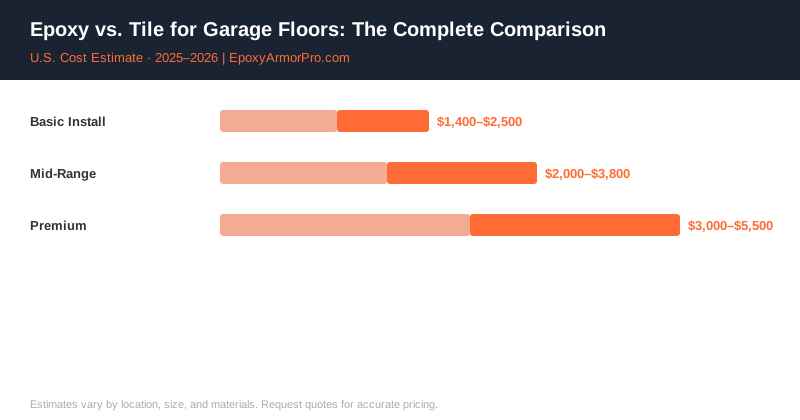
This is where things diverge significantly. Modular tiles are the most homeowner-accessible upfront. Porcelain is the most expensive per square foot. Epoxy sits in the middle — but professional installation adds labor that DIY tile skips.
According to Angi’s 2024 cost data, professional epoxy installation averages $1,750–$5,600 for a two-car garage (around 400–500 sq ft), depending on prep work and coating system chosen.
| Option | Material Cost (per sq ft) | Installed Cost (per sq ft) | 2-Car Garage (450 sq ft) |
|---|---|---|---|
| Standard epoxy coating | $0.30–$0.75 | $3–$7 | $1,350–$3,150 |
| Decorative flake epoxy system | $0.50–$1.00 | $5–$8 | $2,250–$3,600 |
| Polypropylene modular tiles | $2–$5 | $2–$5 (DIY) | $900–$2,250 |
| Rubber modular tiles | $1.50–$4 | $1.50–$4 (DIY) | $675–$1,800 |
| Porcelain tile (garage-rated) | $2–$8 | $7–$15 | $3,150–$6,750 |
Durability Under Real Garage Conditions
Garages are brutal environments. You’ve got vehicle traffic, oil drips, road salt tracked in during winter, hot tires rolling off hot pavement, power tools dropping, and floor jacks scraping. Here’s how each system handles it.
Epoxy is designed for exactly this. A properly installed 100% solids epoxy with polyaspartic topcoat resists oil, gasoline, antifreeze, and most household chemicals. The flake and topcoat system is specifically engineered for vehicle use. Its weak point: hot tire pickup on systems without polyaspartic topcoat, and surface chips if something very heavy and pointed drops directly on it.
Modular polypropylene tiles are tough but not seamless. The gaps between tiles trap debris, road salt, and fluid — you have to lift tiles periodically to clean underneath, or it becomes a petri dish. They handle vehicle traffic fine, but floor jacks and heavy rolling equipment can crack individual tiles. Replacement is easy (just pop out the cracked tile), but you need matching tiles in stock, and product lines get discontinued.
Porcelain tile is extremely hard but inflexible. Garages experience thermal expansion and freeze-thaw cycles that concrete subfloors are built for. Tile mortared directly to a garage slab is prone to cracking or debonding in climates with freezing winters — not because the tile is weak, but because the substrate moves and the rigid grout can’t accommodate it. It’s a common, expensive mistake.
Installation: What DIY Actually Looks Like
Modular tiles are genuinely DIY-friendly. Snap-together systems on a clean, flat slab take a Saturday afternoon. No adhesives, no curing time, no special tools. You can drive on them immediately.
Epoxy DIY is possible but unforgiving. The prep work — acid etching or diamond grinding the surface — is what separates a coating that lasts 15 years from one that peels in 18 months. Most DIYers skip adequate prep, apply water-based epoxy from a hardware store (which contains only 40–50% solids content versus the 100% solids a professional uses), and end up with a thin, brittle film. If you go DIY epoxy, read our full DIY vs professional breakdown first.
Porcelain tile requires genuine tile-setting skills. Mixing thinset, ensuring proper substrate moisture content, setting tile to slope for drainage, grouting — it’s a multi-day job even for experienced DIYers.
Aesthetics and Customization
Epoxy wins on seamless, continuous appearance. No grout lines, no tile edges, no gaps. You get a single-surface look with any color or decorative pattern you want — solid color, full decorative flake, metallic swirl.
Modular tiles have a distinctive grid pattern that clearly reads as “garage mat.” Some people like the look. Most would prefer something that doesn’t telegraph its origins. Color options are limited to what manufacturers produce.
Porcelain tile looks the most upscale, full stop. If you’re doing a high-end garage conversion with HVAC and finished walls, tile matches the aesthetic. It’s the choice for showroom-style builds.
Cleaning and Ongoing Maintenance
Epoxy: sweep, mop with a neutral cleaner. Oil spills wipe up without staining. No grout lines to scrub.
Modular tiles: sweep the top surface, but you need to pull up sections periodically to clean underneath — especially in climates with road salt. The gaps accumulate debris faster than you’d expect.
Porcelain tile: grout lines stain and trap oil. Even sealed grout in a garage needs periodic cleaning with a stiff brush. Garage-specific porcelain with minimal grout joints helps, but doesn’t eliminate the issue.
The Bottom Line
For most homeowners with a standard two-car garage, epoxy is the best overall value — seamless, chemical-resistant, custom-looking, and built to last 15+ years with proper installation. Modular tiles make sense if you rent, move frequently, or want a same-day reversible option. Porcelain tile belongs in temperature-controlled, finished garage spaces where aesthetics are the top priority and freeze-thaw isn’t a factor.
Contractor Referral Disclaimer: EpoxyArmorPro is a contractor referral and cost information service, not a licensed flooring contractor. We connect consumers with independent, licensed, and insured contractors. We do not perform any flooring work directly. Cost estimates are averages based on market data and vary by location, project size, materials, and contractor. Always verify contractor licensing and insurance before hiring. Individual quotes may differ from estimates shown.