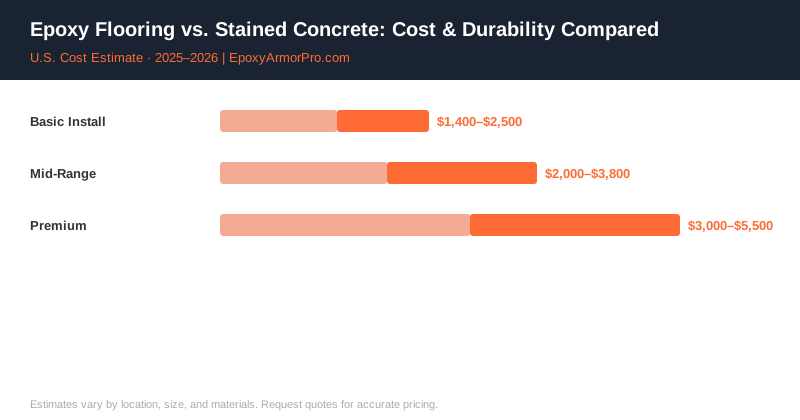
Stained concrete is cheaper. It’s also a completely different product than epoxy, and a lot of homeowners don’t realize that until after they’ve picked one based on price alone. Stain colors the concrete itself; it adds no protective film layer. Epoxy coats the surface with a durable resin barrier. That distinction drives almost every difference in cost, performance, and maintenance between the two.
Cost Comparison
| Finish | Cost per Sq Ft | Protective Layer | Typical Lifespan |
|---|---|---|---|
| Acid/water-based stain (no sealer) | $2–$4 | None | 5–10 years, needs resealing |
| Stain + penetrating sealer | $3–$5 | Minimal | 5–8 years between reseals |
| Standard epoxy coating | $4–$7 | Yes, full film | 5–10 years |
| Epoxy with decorative flake | $6–$10 | Yes, full film | 10–15 years |
For a 400-square-foot space, stained concrete runs $800–$2,000, while epoxy runs $1,600–$4,000. The Decorative Concrete Institute has noted that stain is generally the more budget-conscious choice for large outdoor areas like patios and pool decks, where the goal is aesthetic rather than heavy protection.
Where Stained Concrete Wins
Stain is the better choice for large outdoor areas — patios, pool decks, walkways — where the goal is a natural, mottled, stone-like look rather than a uniform glossy finish, and where budget matters over a large square footage. It also breathes better than epoxy, which matters in some below-grade or high-humidity applications where a fully sealed film could trap moisture.
Where Epoxy Wins
Epoxy wins decisively for garages, workshops, commercial spaces, and anywhere with real chemical, impact, or abrasion exposure. The protective film layer resists oil, gasoline, and cleaning chemicals in a way bare stained concrete simply cannot, and it can be built up to a thickness (10+ mils in pro installations) that stands up to years of vehicle and foot traffic.
Maintenance Reality Check
Stained concrete needs periodic resealing — typically every 2–3 years for high-traffic areas — to maintain its protective qualities and color vibrancy, since the stain itself doesn’t create a durable wear layer. Epoxy generally holds up longer between maintenance cycles, though it eventually needs a recoat as the topcoat wears, usually in the 8–15 year range depending on traffic.
Which One Should You Choose?
- Is the space exposed to oil, chemicals, or heavy impact? Choose epoxy.
- Is it a large outdoor area where a natural stone-like look matters more than protection? Consider stain.
- Do you want the lowest possible upfront cost for a big square footage? Stain wins on price.
- Do you want the longest stretch between maintenance cycles? Epoxy usually wins.
- Is the space below grade or prone to trapped moisture? Discuss breathability with your contractor either way.
For a similar comparison against another popular decorative option, see our epoxy vs. stamped concrete guide.
Contractor Referral Disclaimer: EpoxyArmorPro is a contractor referral and cost information service, not a licensed flooring contractor. We connect consumers with independent, licensed, and insured contractors. We do not perform any flooring work directly. Cost estimates are averages based on market data and vary by location, project size, materials, and contractor. Always verify contractor licensing and insurance before hiring. Individual quotes may differ from estimates shown.