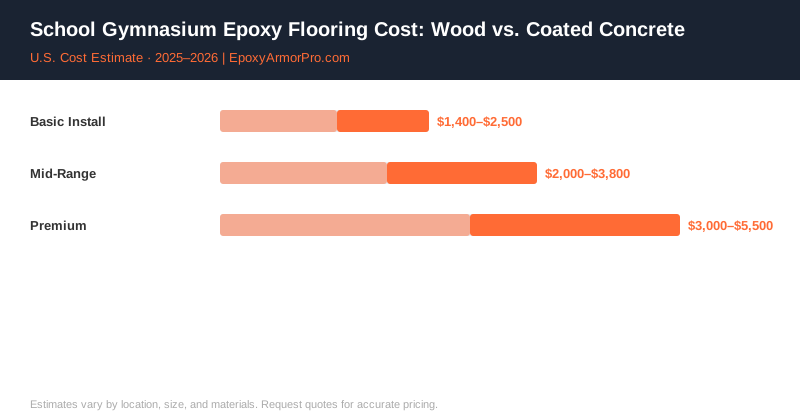
In 2010, a school district replacing a gym floor almost automatically chose hardwood. Today, a growing number choose a coated, resilient epoxy or polyurethane system instead — and the reason is budget, not just aesthetics. Wood floors need refinishing every few years, are vulnerable to water damage from roof leaks or flooding, and carry a higher upfront material cost. A well-specified epoxy gym floor can now deliver comparable performance for less money over its lifespan.
The Real Cost Comparison
| Floor Type | Installed Cost per Sq Ft | Refinish Cycle |
|---|---|---|
| Maple hardwood (new install) | $6–$12 | Refinish every 7–10 years, $1–$2/sq ft |
| Epoxy/polyurethane sports coating | $4–$9 | Recoat every 8–12 years, $1–$1.50/sq ft |
| Vinyl composition tile (VCT, budget option) | $2–$4 | Wax/strip cycle annually |
| Water damage remediation (wood, per incident) | $8,000–$25,000+ | N/A |
For a standard 8,000-square-foot gymnasium, an epoxy or polyurethane sports system typically runs $32,000–$72,000, versus $48,000–$96,000 for a comparable hardwood installation — before factoring in wood’s higher long-term maintenance and moisture-damage exposure.
Impact Absorption and Safety Standards
Athletic flooring is generally evaluated for force reduction and shock absorption, properties that matter directly for player safety during falls and repetitive jumping. ASTM F2772 covers performance specifications for indoor multi-purpose synthetic and coated athletic surfacing, and it’s the standard most reputable gym-coating manufacturers reference when publishing performance data. Ask contractors whether their proposed system has been tested to this standard — many budget coatings haven’t been.
Line Striping and Multi-Sport Marking
Gymnasium floors typically need multiple sets of game lines — basketball, volleyball, badminton — layered in different colors. Epoxy and polyurethane systems handle multi-line striping well since the topcoat can be masked and painted directly, and lines can be reconfigured during recoat cycles without the sanding process hardwood requires. Budget roughly $1,500–$4,000 for a full multi-sport line package on an 8,000-square-foot gym floor.
Maintenance Over the Life of the Floor
Hardwood gym floors need periodic sanding and refinishing, a process that takes the gym out of service for days and generates significant dust and VOC exposure during the work. Epoxy and polyurethane systems are typically maintained with a simple recoat that doesn’t require sanding down to bare substrate, cutting both downtime and long-term maintenance labor.
Questions for Your Contractor
- Is the system tested to ASTM F2772 for athletic force reduction?
- What’s the slip resistance rating for a sweaty, high-activity environment?
- How many line-striping colors and configurations are included?
- What’s the recoat interval, and does it require full sanding?
- How is the system rated for incidental water exposure?
Locker rooms adjacent to gyms have their own set of moisture and slip requirements — see our locker room flooring cost guide for that comparison.
Contractor Referral Disclaimer: EpoxyArmorPro is a contractor referral and cost information service, not a licensed flooring contractor. We connect consumers with independent, licensed, and insured contractors. We do not perform any flooring work directly. Cost estimates are averages based on market data and vary by location, project size, materials, and contractor. Always verify contractor licensing and insurance before hiring. Individual quotes may differ from estimates shown.