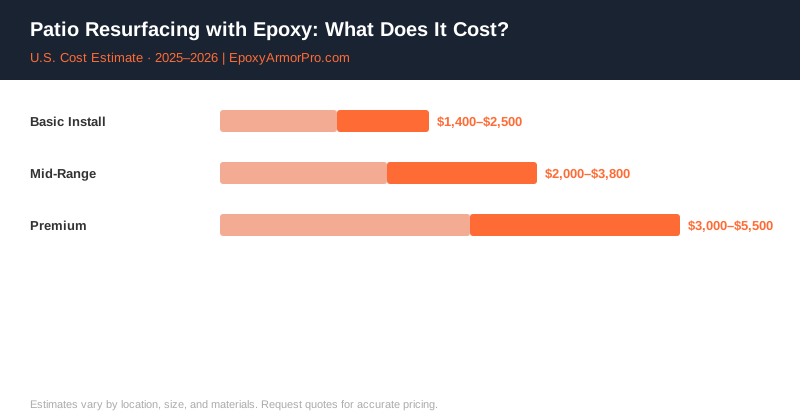
Can you actually fix a stained, cracked patio without tearing it out and pouring a new slab? In most cases, yes — and resurfacing with a polyaspartic or epoxy system typically costs a fraction of full replacement. But “most cases” isn’t “all cases,” and knowing which category your patio falls into determines whether resurfacing is the smart move or a temporary patch on a bigger problem.
Patio Resurfacing Costs
| Condition/Scope | Cost per Sq Ft | Notes |
|---|---|---|
| Cosmetic resurfacing (minor staining, no structural issues) | $4–$6 | Grind + coat, standard color |
| Moderate crack repair + resurfacing | $6–$9 | Includes polyurea crack filling |
| Textured/stamped decorative finish | +$1–$3 | Popular for outdoor living spaces |
| Full slab replacement (if structurally compromised) | $8–$14 | Tear-out + new pour, not resurfacing |
For a typical 300-square-foot patio, cosmetic resurfacing runs $1,200–$1,800, while moderate crack repair pushes the total to $1,800–$2,700. Compare that to $2,400–$4,200 for a full tear-out and replacement of the same footprint, and the cost case for resurfacing over replacement becomes clear for most patios.
What Makes a Patio a Good Resurfacing Candidate
A patio is generally a strong resurfacing candidate when the slab is structurally sound (no active settling or heaving) but cosmetically rough — surface staining, minor spalling, hairline cracking, or just an outdated bare-concrete look. In these cases, grinding the surface and applying a UV-stable polyaspartic or epoxy coating restores both appearance and a protective, easy-to-clean surface layer for a fraction of replacement cost.
Outdoor Living Considerations
Unlike a driveway, patios are used barefoot, host furniture, fire pits, and grills, and often border a pool. That combination changes a few things about the spec: heat resistance near fire pits and grills matters, slip resistance matters even more around pools, and many homeowners want a decorative texture or color pattern that complements landscaping rather than a purely utilitarian finish.
Poolside Patios Need Extra Slip Resistance
If your patio borders a pool, standard texture levels used for driveways generally aren’t sufficient — constant wet-foot traffic demands a more aggressive slip-resistant broadcast. Many pool-deck-specific polyaspartic systems are formulated with this higher texture level built in, and it’s worth confirming your contractor is quoting a pool-deck-rated system rather than a standard exterior finish if your patio sees regular pool traffic.
Questions Before You Sign
- Is the existing slab structurally sound, or does it show signs of settling?
- Is the topcoat UV-stable and rated for full outdoor exposure?
- Is the texture rated for poolside or barefoot use if applicable?
- How is existing cracking repaired before resurfacing?
- What’s the expected lifespan compared to a full replacement?
For comparison against other decorative outdoor finishes, see our epoxy vs. stamped concrete guide.
Contractor Referral Disclaimer: EpoxyArmorPro is a contractor referral and cost information service, not a licensed flooring contractor. We connect consumers with independent, licensed, and insured contractors. We do not perform any flooring work directly. Cost estimates are averages based on market data and vary by location, project size, materials, and contractor. Always verify contractor licensing and insurance before hiring. Individual quotes may differ from estimates shown.