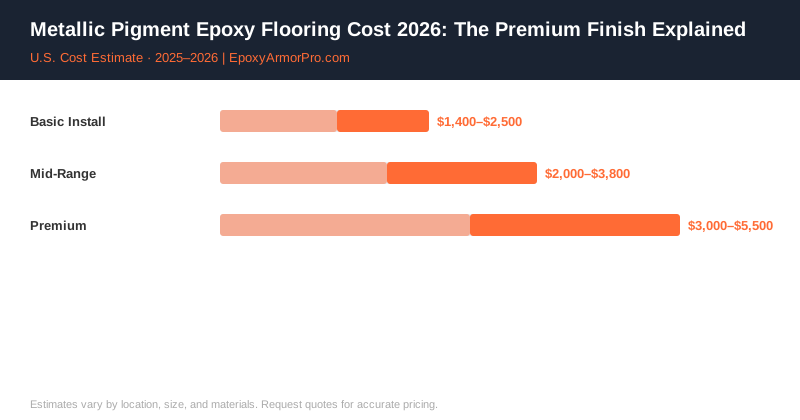
Most homeowners assume metallic epoxy costs more simply because the pigment itself is pricier. That’s part of it — but the bigger reason is that achieving the swirling, 3D, marble-like effect metallic epoxy is known for requires real technique, and very few installers actually do it well.
Metallic epoxy uses specialized mica or metallic-flake pigments suspended in a clear or tinted epoxy base. As the coating cures, the installer manipulates it — with tools, air movement (sometimes literally blowing across the wet surface), or specific application techniques — to create depth, movement, and a lustrous, almost liquid-looking finish. Get the technique wrong, and you end up with an expensive floor that looks like a regular epoxy floor with some sparkle mixed in, not the dramatic 3D effect shown in marketing photos.
Why Metallic Costs Roughly Double Standard Epoxy
| System | Cost per Sq Ft | Notes |
|---|---|---|
| Standard solid color epoxy | $3–$5 | Baseline comparison |
| Color flake epoxy | $5–$9 | Mid-tier decorative option |
| Metallic epoxy (single color) | $8–$12 | Skilled application required |
| Metallic epoxy (multi-color blend) | $10–$14 | Most complex technique, longer install time |
| Full 500 sq ft garage, metallic single color | — | $4,000–$6,000 |
The premium reflects both material cost (metallic pigments are more expensive per unit than standard color tints) and labor skill — an experienced metallic epoxy installer needs to understand how the material moves and cures in real time, adjusting technique on the fly, since the working window before the epoxy sets is limited and mistakes are difficult to fully correct once the material starts to gel.
Why Sample Boards Matter More Here Than Any Other Finish
Because metallic epoxy’s appearance depends heavily on application technique, not just the pigment color chosen, the exact same product can look dramatically different depending on who applies it. This is the single most important reason to ask any metallic epoxy contractor for photos of their own completed work — ideally in person on a sample board — rather than relying on manufacturer marketing photos, which represent the pigment’s potential, not any given installer’s actual skill level.
Lighting Changes How Metallic Floors Read
Metallic epoxy’s depth and shimmer effect depends significantly on ambient lighting — a floor that looks stunning under bright, angled garage lighting can look comparatively flat under dim or purely overhead lighting. If you’re investing in a metallic floor specifically for its visual impact, it’s worth discussing your garage or room’s lighting setup with your contractor beforehand, and potentially upgrading lighting alongside the floor to get the full effect.
Repair and Touch-Up Are Harder Than With Solid Color
If a metallic epoxy floor is damaged years later — a deep gouge, for instance — matching the original swirled pattern in a touch-up repair is considerably more difficult than patching a solid color floor, where a color match is straightforward. This is a real long-term consideration, not just an installation-day concern, and it’s worth discussing warranty and repair options with your contractor before the project begins.
What to Ask Your Contractor
- Can I see photos or video of metallic floors you’ve personally installed?
- What technique do you use to create movement and depth in the pour?
- How does my garage’s lighting affect which color and pattern will look best?
- What’s your plan if the floor needs a repair or touch-up years from now?
- What’s the realistic working window before the epoxy sets during application?
Contractor Referral Disclaimer: EpoxyArmorPro is a contractor referral and cost information service, not a licensed flooring contractor. We connect consumers with independent, licensed, and insured contractors. We do not perform any flooring work directly. Cost estimates are averages based on market data and vary by location, project size, materials, and contractor. Always verify contractor licensing and insurance before hiring. Individual quotes may differ from estimates shown.