The American Veterinary Medical Association has noted that facility design — flooring included — plays a direct role in infection control at animal hospitals, since pathogens like parvovirus can survive on porous surfaces for extended periods if they aren’t properly sealed. That single fact explains why veterinary flooring specs look different from almost any other commercial application in this guide.
A vet clinic floor has to do several jobs simultaneously: resist claws and constant foot traffic from dogs, cats, and the occasional exotic patient, hold up to daily disinfectant washdowns, drain properly in kennel and treatment areas, and support an antimicrobial standard that a retail store or office never has to consider.
Why Kennel Areas Cost More Than Exam Rooms
| Area | System | Cost per Sq Ft | Notes |
|---|---|---|---|
| Kennel/boarding area | Antimicrobial epoxy + drain slope | $8–$12 | Highest sanitation demand |
| Surgery suite | Seamless antimicrobial epoxy | $9–$14 | Strictest cleanliness standard |
| Exam rooms | Standard antimicrobial epoxy | $6–$9 | Moderate traffic and cleaning |
| Reception/lobby | Decorative epoxy | $5–$8 | Client-facing aesthetics |
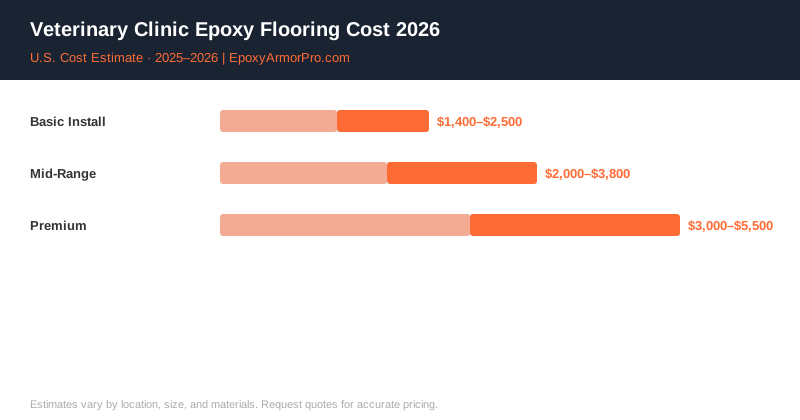
| Full 2,500 sq ft clinic | Mixed zone system | $16,000–$28,000 | Blended by area |
Kennel areas need slope-to-drain design so that hosing down runs and cages doesn’t leave standing water where bacteria can proliferate — typically 1/4 inch per foot toward a floor drain. This is more labor-intensive than a flat pour and drives the cost up relative to an exam room, which just needs a flat, seamless, easy-clean surface.
Antimicrobial Additives: What They Actually Do
Antimicrobial epoxy incorporates a silver-ion or similar additive into the coating itself, which continuously inhibits bacterial and fungal growth on the surface between cleanings — it doesn’t replace disinfection protocols, but it reduces the microbial load that builds up between them. For a facility handling immunocompromised patients, post-surgical animals, or infectious disease cases in isolation, this additive is generally considered standard rather than optional.
Claw Traffic and Surface Texture
Dogs and cats walking, running, and occasionally sliding across a vet clinic floor create wear patterns different from human foot traffic — claws can scratch a soft or thin coating over time, particularly in high-traffic runs. A properly cured, adequately thick epoxy system (specified in mils, not just “a coat or two”) resists this far better than a thin, budget application. Ask your contractor for the specified dry film thickness, not just the number of coats.
Odor Control Is a Real Design Factor
Unlike most commercial spaces, veterinary clinics deal with urine, feces, and vomit as a routine part of daily operations. Porous or improperly sealed flooring absorbs odor-causing compounds over time, which is why seamless, fully cured epoxy with no gaps at walls, drains, or cage bolt-downs matters so much. Any penetration point — a bolted-down kennel frame, an equipment leg — needs to be properly sealed during installation, not caulked as an afterthought.
Downtime and Scheduling
Most veterinary clinics can’t fully close, so contractors typically phase work by wing — kennel area one weekend, exam rooms another — keeping at least partial operations running. Emergency and 24-hour clinics need especially careful scheduling, sometimes doing sections overnight between shifts.
Questions to Ask Your Contractor
- What antimicrobial additive are you using, and in which zones specifically?
- What’s the specified dry film thickness for kennel and surgery areas?
- How will drain slope be handled in kennel runs?
- Does the isolation room get a separate, higher-grade spec?
- How will you sequence work to keep the clinic operational?
Contractor Referral Disclaimer: EpoxyArmorPro is a contractor referral and cost information service, not a licensed flooring contractor. We connect consumers with independent, licensed, and insured contractors. We do not perform any flooring work directly. Cost estimates are averages based on market data and vary by location, project size, materials, and contractor. Always verify contractor licensing and insurance before hiring. Individual quotes may differ from estimates shown.