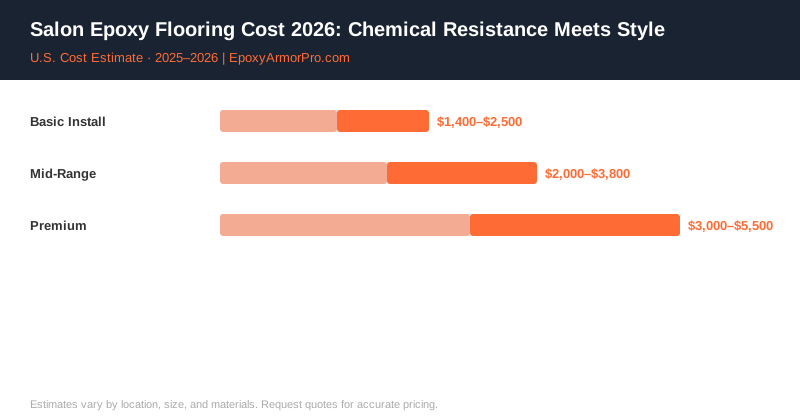
A salon owner in Scottsdale once told her contractor she wanted “whatever looks the most Instagram-worthy.” Twelve months later, that gorgeous white terrazzo-look epoxy had permanent grey-purple staining around every styling chair from hair dye that a standard sealer couldn’t stop. The lesson stuck: in a salon, chemistry has to come before Instagram.
Salons and spas put floors through a specific kind of abuse that most flooring is never tested for — permanent hair dye, bleach, acetone from nail stations, and near-constant water from shampoo bowls and pedicure basins, often within a few feet of each other in the same room.
Why Dye Staining Is the Salon Flooring Industry’s Biggest Complaint
Permanent hair color contains dyes formulated to bond to protein and penetrate surfaces — which is exactly what makes it so effective on hair and so problematic on an under-protected floor. A standard epoxy topcoat without adequate UV-stable sealing can develop faint but permanent discoloration around coloring stations within the first year. Salons that skip this detail to save on the topcoat spec are the ones calling contractors back for a redo.
| Area | System | Cost per Sq Ft | Notes |
|---|---|---|---|
| Styling floor (color/cut stations) | Chemical-resistant epoxy + UV topcoat | $6–$10 | Dye and bleach resistant |
| Nail salon area | Acetone-resistant epoxy | $6–$9 | Handles solvent exposure |
| Shampoo/wash station zone | Non-slip epoxy with drainage slope | $7–$10 | Constant water exposure |
| Retail/reception area | Decorative metallic or flake epoxy | $5–$8 | Lower chemical exposure |
| Full 1,500 sq ft salon | Mixed zone system | $9,000–$15,000 | Blended pricing by area |
Acetone: The Other Chemical Threat
Nail salons face a different enemy than hair salons — acetone-based polish removers, which can soften and cloud standard epoxy over repeated exposure. A dedicated acetone-resistant topcoat, typically a specialized polyurethane or novolac epoxy blend, holds up significantly better. Combination salons offering both hair and nail services often need two different chemical-resistant specs in adjoining rooms.
Slip Resistance Around Wet Stations
Shampoo bowls and pedicure stations create wet zones on an otherwise dry retail floor. A glossy decorative epoxy that looks fantastic in the reception area becomes a liability near a wash station where water splashes regularly. Most salon specs call for a fine anti-slip additive broadcast specifically in a defined radius around wet stations, transitioning to a smoother, glossier finish in dry zones — a zoned approach similar to what dealerships and daycare centers use for the same underlying reason.
Downtime for a Working Salon
Most salons can’t close for a week, so contractors typically phase the work — closing one section at a time over consecutive slow days (often Sundays and Mondays when many salons are closed anyway) rather than shutting the whole business down. A polyaspartic system can get a section back in service within 24 hours, which matters when every closed chair is lost revenue.
Questions to Ask Your Contractor
- What topcoat are you specifying for dye resistance around styling stations?
- Is the nail area getting an acetone-resistant system specifically?
- How will you handle slip resistance near wash and pedicure stations?
- Can the work be phased around our slowest business days?
- What warranty covers staining and discoloration specifically, not just wear?
Contractor Referral Disclaimer: EpoxyArmorPro is a contractor referral and cost information service, not a licensed flooring contractor. We connect consumers with independent, licensed, and insured contractors. We do not perform any flooring work directly. Cost estimates are averages based on market data and vary by location, project size, materials, and contractor. Always verify contractor licensing and insurance before hiring. Individual quotes may differ from estimates shown.