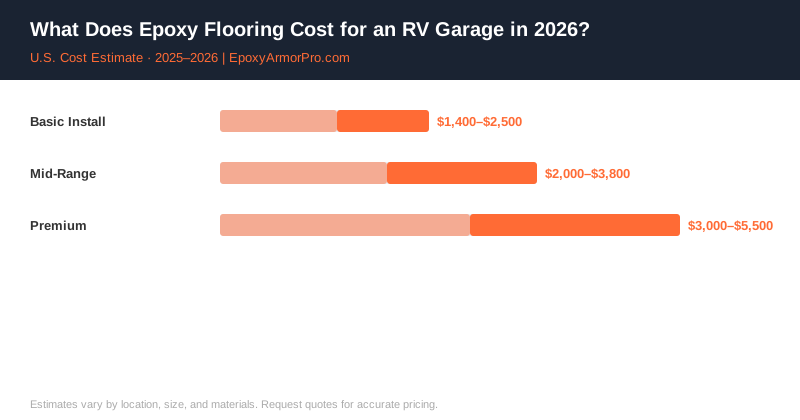
What does epoxy flooring actually cost for an RV garage? For a typical 1,200–2,000-square-foot RV bay, budget $5,000–$16,000 depending on slab condition and the coating system specified — but the number that matters more than square footage is how much your rig actually weighs when it’s loaded and parked.
RV garages have become a standard feature in post-frame and pole barn construction over the past decade — the National Frame Building Association has tracked steady growth in post-frame buildings designed specifically around RV and boat storage, reflecting how mainstream this use case has become. But an RV garage floor faces a different load profile than a car garage, and that changes what “the right epoxy” looks like.
Point Load: The Number Most Owners Never Check
| RV Garage Scope | System | Cost per Sq Ft | Notes |
|---|---|---|---|
| Standard RV bay (1,200–1,500 sq ft) | Heavy-duty epoxy, high build | $4–$7 | Class B/C motorhomes, travel trailers |
| Large RV bay (1,800–2,500 sq ft) | Heavy-duty epoxy | $4–$6 | Better per-sq-ft rate at scale |
| Class A / heavy motorhome bay | High-build epoxy or urethane cement | $6–$9 | Higher point-load tolerance needed |
| Full 1,500 sq ft RV garage | Heavy-duty system | $6,000–$10,500 | Includes prep and crack repair |
A loaded Class A motorhome can weigh 20,000-40,000+ pounds, concentrated on relatively small tire contact patches and jack pads when leveling. That’s a significantly higher point load than a passenger vehicle spreads across the same square footage. A standard garage epoxy system, applied at typical thickness for a car garage, can show pressure marks or even crack under sustained heavy point loading from jacks and leveling systems — this is a real and underappreciated failure mode specific to RV storage.
Slab Condition Matters More Here Than Almost Anywhere
Because RV garages are frequently new pole barn or metal building construction, the underlying slab is often freshly poured — which is good news for coating adhesion but means proper cure time (typically 28 days minimum) before coating is essential. Rushing epoxy application onto a slab that hasn’t fully cured is one of the most common causes of coating failure in new RV garage construction, showing up as bubbling or poor adhesion within the first year.
Ventilation and Fumes During Cure
RV garages are often larger, more enclosed spaces than a standard two-car garage, sometimes without the ventilation of a residential garage door left open. Proper ventilation during epoxy application and cure matters for both worker safety and the finished coating quality — inadequate airflow can trap solvent vapors and affect cure quality, particularly with solvent-based systems. Low-VOC, 100% solids epoxy systems reduce this concern but proper ventilation is still part of a correct installation.
Size Efficiency: Bigger Bays Cost Less Per Square Foot
Like most commercial-scale epoxy projects, larger RV garages benefit from economy of scale — mobilization, equipment setup, and crew time get spread across more square footage, which is why a 2,500-square-foot bay often prices out lower per square foot than a 1,200-square-foot one, even though the total project cost is higher.
What to Ask Your Contractor
- Is the slab fully cured (28+ days) before we schedule coating?
- What system do you recommend given my RV’s approximate loaded weight?
- Will you reinforce or thicken the coating at known leveling jack contact points?
- How will you ensure adequate ventilation during application in an enclosed bay?
- What’s the coating’s rated point-load tolerance compared to a standard garage system?
Contractor Referral Disclaimer: EpoxyArmorPro is a contractor referral and cost information service, not a licensed flooring contractor. We connect consumers with independent, licensed, and insured contractors. We do not perform any flooring work directly. Cost estimates are averages based on market data and vary by location, project size, materials, and contractor. Always verify contractor licensing and insurance before hiring. Individual quotes may differ from estimates shown.