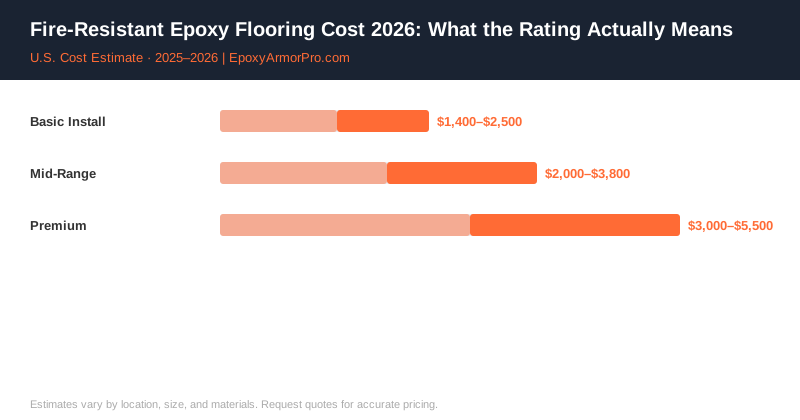
No epoxy floor is fireproof. That needs to be said plainly, because “fire-resistant epoxy flooring” is a phrase that gets thrown around loosely, and the gap between what people assume it means and what it actually means causes real confusion at bid time.
What fire-resistant or “flame-retardant” epoxy actually provides is a lower flame-spread rating and reduced smoke generation compared to standard epoxy — meaning the coating is less likely to actively contribute to fire spread and generates less toxic smoke if it does burn. It does not mean the floor won’t burn at all under sustained, direct flame exposure. Understanding this distinction matters for code compliance and for setting realistic expectations with facility stakeholders.
What You’re Actually Buying
| System | Cost per Sq Ft | Notes |
|---|---|---|
| Standard epoxy (baseline) | $4–$7 | Standard flammability characteristics |
| Fire-retardant epoxy (reduced flame spread) | $7–$11 | Meets many commercial code requirements |
| Intumescent/high fire-rated system | $10–$15 | Highest fire-rating tier available |
| Full 2,000 sq ft industrial facility, fire-retardant system | — | $14,000–$22,000 |
Flame Spread Ratings: The Number That Actually Matters
Building codes classify interior finish materials, flooring included, by flame spread and smoke development ratings, typically referencing ASTM E84 test methodology. A lower flame spread number indicates a material that’s slower to allow fire to travel across its surface. Facilities with code-mandated fire safety requirements — certain industrial occupancies, some assembly spaces, areas with specific fire marshal requirements — need documentation showing their flooring meets the required rating class for that occupancy type, not just marketing language claiming “fire-resistant.”
Where This Upgrade Is Actually Required vs. Optional
Certain facility types — some manufacturing plants handling flammable materials, specific assembly occupancies, facilities under particular fire marshal jurisdictions — may have code-mandated flame spread requirements for flooring. Many standard commercial and residential applications have no such requirement, making fire-retardant epoxy an optional upgrade rather than a compliance necessity. It’s worth confirming with your local building or fire code authority whether your specific facility type has a flooring flame spread requirement before assuming you need (or don’t need) the upgrade.
Fire Resistance Doesn’t Replace Fire Suppression Systems
A fire-retardant floor coating is one layer of a facility’s overall fire safety approach — it is not a substitute for proper fire suppression systems, alarms, extinguishers, and evacuation planning. Facilities sometimes over-rely on a fire-rated floor coating as their primary fire mitigation strategy for a specific area, when it should really be considered a supporting element alongside active suppression and detection systems, not a replacement for them.
Combining Fire Resistance With Chemical or Static-Dissipative Needs
Some industrial facilities need a floor that’s simultaneously fire-retardant, chemical-resistant, and static-dissipative — a combination that narrows the field of appropriate products considerably and generally pushes cost toward the higher end of the range. If your facility has multiple simultaneous requirements, get a contractor experienced in specialized industrial coatings rather than a generalist, since matching all three properties in one system requires real product knowledge.
What to Ask Your Contractor
- Do you have ASTM E84 flame spread and smoke development test data for this exact product?
- Does my facility have a code-mandated flame spread rating requirement, and does this product meet it?
- Is this coating also meeting any other requirements I have — chemical resistance, static dissipation?
- What’s the realistic expectation for this coating’s performance under direct, sustained flame exposure?
- How does this fit into our overall fire safety plan alongside suppression and detection systems?
Contractor Referral Disclaimer: EpoxyArmorPro is a contractor referral and cost information service, not a licensed flooring contractor. We connect consumers with independent, licensed, and insured contractors. We do not perform any flooring work directly. Cost estimates are averages based on market data and vary by location, project size, materials, and contractor. Always verify contractor licensing and insurance before hiring. Individual quotes may differ from estimates shown.