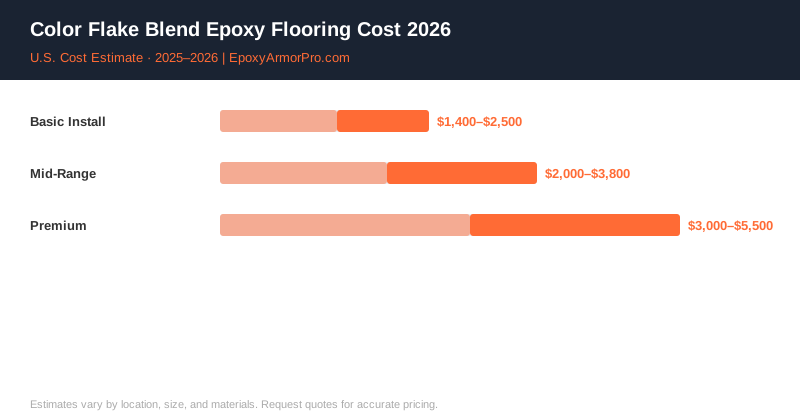
What’s the actual difference between a solid-color epoxy floor and a color flake blend floor, beyond the obvious visual one? About $1-$2 per square foot — and a much higher tolerance for hiding the small imperfections every concrete slab actually has.
Solid color epoxy shows every trowel mark, dust nib, and minor surface irregularity, because there’s nothing to break up the eye’s view of the floor. Color flake blends — vinyl chips broadcast into the wet base coat before the topcoat seals everything in — create visual texture and depth that camouflages minor imperfections far more effectively, which is part of why flake systems have become the default choice for most residential garage and basement projects rather than a premium upgrade.
Why Flake Costs a Bit More Than Solid Color
| System | Cost per Sq Ft | Notes |
|---|---|---|
| Solid color epoxy (2-coat) | $3–$5 | No flake, single flat color |
| Light flake broadcast (partial coverage) | $4–$7 | Accent flakes over solid color |
| Full flake broadcast (full coverage) | $5–$9 | Terrazzo-like appearance |
| Custom color blend (3+ colors) | $6–$10 | Designer color matching |
| Full 500 sq ft garage, full flake broadcast | — | $2,500–$4,500 |
The added cost comes from the extra material (the flake itself) and the extra labor step of broadcasting it evenly across the wet coat before it sets — a step that requires timing and technique to avoid clumping or bare patches. A rushed or inexperienced broadcast can leave visible gaps or uneven density, which is one reason flake floors vary more in finished quality between contractors than solid color floors do.
Full Broadcast vs. Partial Broadcast
A full broadcast — flake applied “to rejection,” meaning the wet coat is completely covered until it can’t absorb any more — creates the classic terrazzo look with dense, even coverage. A partial or light broadcast uses less material and creates a more subtle, speckled accent look rather than a full pattern. Full broadcast costs more in material but often looks more intentional and higher-end; light broadcast is a reasonable budget compromise for owners who like some visual interest without the full decorative commitment.
Topcoat Thickness Determines How Long the Flake Lasts
The flake itself is sealed and protected by the clear topcoat applied over it — if that topcoat is too thin, the flake can wear through in high-traffic areas over a few years, exposing the base coat underneath in patches. A properly specified topcoat, applied at adequate mil thickness (ask your contractor for the specific number, not just “a good coat”), protects the decorative flake layer for the life of the floor rather than just the first year or two.
Color Trends and Resale Considerations
Neutral gray, beige, and charcoal flake blends remain the most popular choices for resale value, since they read as a clean, professional finish to the widest range of future buyers. Bold or unusual color combinations can look great for an owner who plans to stay long-term but may read as a personal choice that doesn’t universally appeal if the home sells in a few years.
What to Ask Your Contractor
- Are you doing a full broadcast or partial broadcast, and what’s the cost difference?
- What flake color blends do you recommend given my garage’s lighting and use?
- What’s the specified dry film thickness of the clear topcoat over the flake?
- Can I see a sample board of the actual blend before committing?
- How does flake wear typically look after 3-5 years in a similar-use garage?
Contractor Referral Disclaimer: EpoxyArmorPro is a contractor referral and cost information service, not a licensed flooring contractor. We connect consumers with independent, licensed, and insured contractors. We do not perform any flooring work directly. Cost estimates are averages based on market data and vary by location, project size, materials, and contractor. Always verify contractor licensing and insurance before hiring. Individual quotes may differ from estimates shown.