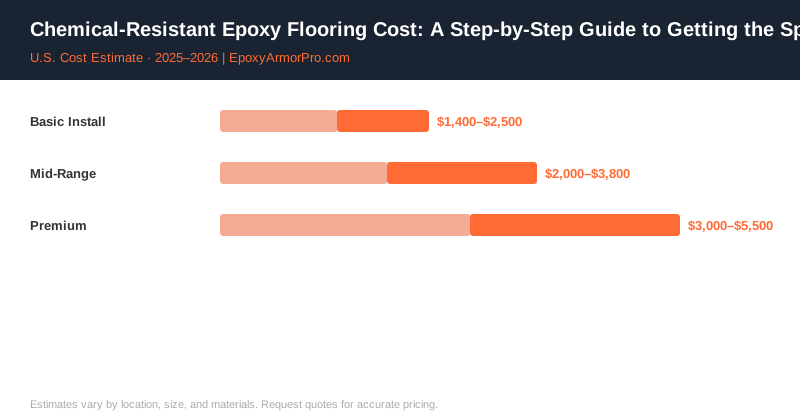
Getting a chemical-resistant epoxy floor right isn’t about picking the toughest-sounding product on the price list. It’s a five-step process, and skipping any one of them is how facilities end up with an expensive floor that still fails within a year.
Step 1: Identify every chemical the floor will actually contact. Not just the primary process chemical — cleaning agents, occasional spills, and secondary chemicals used nearby all count. A metal fabrication shop might list cutting fluid as the obvious exposure but forget that the degreaser used for cleanup is actually more aggressive on standard epoxy than the cutting fluid itself.
Step 2: Match the coating chemistry to that specific chemical list. This is where most under-informed bids go wrong. Standard 100% solids epoxy resists many chemicals well but has real limits against strong acids, strong caustics, and certain solvents. Novolac epoxy, a more heavily cross-linked chemistry, handles a broader and more aggressive range of chemicals — including many acids and solvents standard epoxy can’t tolerate — but costs more per gallon and requires more careful, experienced application.
| System | Cost per Sq Ft | Best Against |
|---|---|---|
| Standard 100% solids epoxy | $4–$7 | Oil, mild cleaners, moderate traffic |
| Chemical-resistant epoxy (mid-grade) | $6–$10 | Broader solvent and mild acid/base resistance |
| Novolac epoxy (high-grade) | $9–$14 | Strong acids, aggressive solvents |
| Urethane cement (thermal + chemical) | $9–$14 | Heat plus chemical exposure combined |
Step 3: Confirm the concentration and frequency of exposure, not just the chemical name. A chemical that contacts the floor in a rare, quickly-cleaned spill is a different design problem than the same chemical sitting in standing puddles for hours daily. Concentration and dwell time both matter as much as the chemical identity itself when specifying a system.
Step 4: Account for surface prep quality, which affects chemical resistance as much as the coating itself. A coating applied over inadequately prepared concrete — insufficient mechanical profile, residual contamination, or moisture issues — can fail chemically even with the right product, because the bond to the substrate is compromised from the start. The International Concrete Repair Institute’s surface preparation standards, commonly referenced via CSP (concrete surface profile) ratings from 1 to 9, are the industry benchmark contractors should be working from — a higher CSP number generally required for more demanding chemical-resistant applications.
Step 5: Confirm dry film thickness and cure time before chemical exposure begins. Chemical-resistant coatings generally need adequate thickness and full cure time before they’re exposed to the chemicals they’re rated for — putting a facility back into full chemical-exposure operation before the coating has properly cured is a common cause of early failure that has nothing to do with the product’s actual chemical resistance rating.
Putting It Together: A Realistic Example
A metal fabrication shop dealing with cutting fluid, occasional acid pickling solution, and daily floor cleaning with an alkaline degreaser would likely need a novolac epoxy system in the pickling area specifically, with a standard chemical-resistant epoxy adequate for the rest of the shop floor — a zoned approach similar to what breweries and commercial kitchens use for their own chemical exposure differences.
What to Ask Your Contractor
- Can you walk through every chemical on my list against the manufacturer’s resistance chart?
- What CSP (concrete surface profile) rating are you targeting for prep?
- What dry film thickness are you specifying, and how does that relate to chemical resistance?
- How long before the floor can be exposed to its full chemical load after installation?
- Does every zone of my facility get the same system, or is it matched to actual local exposure?
Contractor Referral Disclaimer: EpoxyArmorPro is a contractor referral and cost information service, not a licensed flooring contractor. We connect consumers with independent, licensed, and insured contractors. We do not perform any flooring work directly. Cost estimates are averages based on market data and vary by location, project size, materials, and contractor. Always verify contractor licensing and insurance before hiring. Individual quotes may differ from estimates shown.