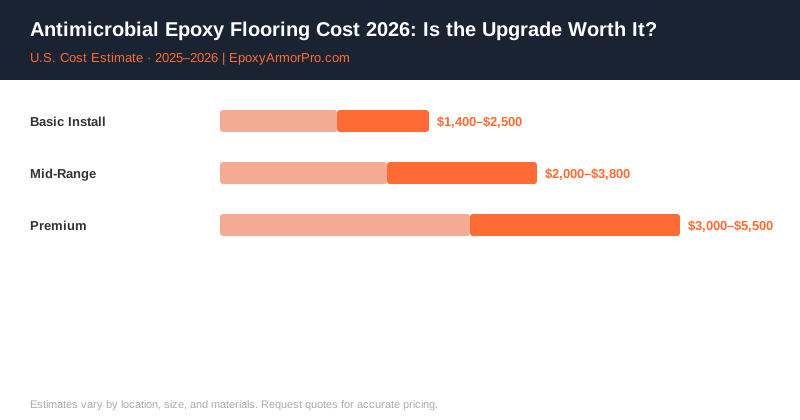
Does antimicrobial epoxy actually work, or is it a marketing add-on that costs more without doing much? It genuinely works — but understanding what it does and doesn’t do is essential before paying the premium.
Antimicrobial epoxy incorporates a silver-ion additive (or similar active compound) directly into the coating itself during manufacturing, not as a surface spray applied afterward. Once cured, the additive continuously inhibits the growth of bacteria, mold, and mildew on the coating’s surface between cleanings. It doesn’t sterilize the floor or replace a proper cleaning and disinfection protocol — it reduces the microbial load that would otherwise accumulate in the hours and days between cleanings.
What the Upgrade Actually Costs
| System | Cost per Sq Ft | Notes |
|---|---|---|
| Standard epoxy (baseline) | $4–$7 | No antimicrobial additive |
| Antimicrobial epoxy (residential/light commercial) | $5–$9 | $1–$2 premium over standard |
| Antimicrobial epoxy (healthcare/food service grade) | $7–$12 | Higher-grade additive, thicker system |
| Full 500 sq ft residential space, antimicrobial upgrade | — | +$500–$1,000 over standard |
Where the Upgrade Genuinely Matters Most
Facilities with immunocompromised occupants, food handling, or high-moisture conditions get the most real-world value from antimicrobial flooring: veterinary clinics, medical and dental offices, commercial kitchens, locker rooms, and basements prone to dampness. A dry residential garage used mainly for parking and light storage sees comparatively little practical benefit from the additive — the environment simply doesn’t support the kind of microbial growth the additive is designed to counter.
It’s Not a Substitute for Proper Cleaning Protocols
The biggest misunderstanding about antimicrobial flooring is treating it as a replacement for regular cleaning and disinfection rather than a complement to it. A facility that installs antimicrobial epoxy and then relaxes its cleaning schedule, assuming the floor “handles it,” is misusing the product. The additive reduces microbial load between cleanings — it doesn’t eliminate the need for a proper cleaning protocol appropriate to the facility type, whether that’s a daily mop-down or a full medical-grade disinfection routine.
How Long Does the Antimicrobial Effect Last?
Because the additive is integrated into the coating material itself rather than applied as a surface treatment, it doesn’t wash off or wear away the way a topical antimicrobial spray would — it lasts as long as the coating’s surface layer remains intact. Once the topcoat wears through in a high-traffic area, exposing the base coat underneath, the antimicrobial protection in that specific spot diminishes, which is another reason adequate topcoat thickness matters for facilities relying on the additive long-term.
Is It Worth It for a Residential Garage?
For most residential garages, the antimicrobial upgrade is a modest cost add that provides real but limited practical benefit, since dry garages don’t typically support significant microbial growth in the first place. It’s a reasonable upgrade if the space doubles as a workshop, gym, or basement-adjacent area with more moisture exposure, but it’s not an essential upgrade for a standard dry two-car garage.
What to Ask Your Contractor
- What specific antimicrobial additive is used, and is it integrated into the coating or a surface treatment?
- Does my space type (healthcare, food service, damp basement) genuinely benefit from this upgrade?
- What dry film thickness is specified, and how does that affect long-term antimicrobial performance?
- Should our cleaning protocol change at all after installation, or stay the same?
- Is there independent testing data available for this specific additive’s effectiveness?
Contractor Referral Disclaimer: EpoxyArmorPro is a contractor referral and cost information service, not a licensed flooring contractor. We connect consumers with independent, licensed, and insured contractors. We do not perform any flooring work directly. Cost estimates are averages based on market data and vary by location, project size, materials, and contractor. Always verify contractor licensing and insurance before hiring. Individual quotes may differ from estimates shown.