The contractor hands you a color chip binder with 40 options and says, “Pick whatever you want.” Two minutes later you’re staring at the ceiling wondering if you should have just gone with gray.
Color choice is one of the most permanent decisions in an epoxy project. Unlike paint, you don’t just roll over it if you hate it. Here’s what you need to know before you commit.
The Four Main Epoxy Color Systems
There’s no single “epoxy color.” The finish you see depends on the system — solid color, decorative flake, metallic, or quartz broadcast. Each behaves differently, costs differently, and looks dramatically different under the same lighting.
Solid Colors
This is the simplest option: pigmented epoxy in one uniform color. Grays, beiges, tans, and safety colors (red, yellow, green for zone marking) dominate. According to the Concrete Coating Association, gray solid finishes account for roughly 60% of all residential garage coatings installed in the U.S.
Solid works well for clean, minimalist aesthetics and is the easiest system for contractors to apply. The downside: it shows dust, tire marks, and surface imperfections more readily than multi-tone systems.
Decorative Flake (Chip) Blends
Colored vinyl flake chips are broadcast into a base coat, then sealed with a clear topcoat. The chips break up the surface visually, hide minor scratches, and add texture that improves grip. Full-broadcast flake — where chips cover 100% of the surface — is the most popular residential finish in the country right now.
You can get flakes in dozens of color blends. Neutral mixes (beige, tan, brown) hide dirt between cleanings. Lighter mixes (white, silver, sky blue) feel more open but show grime faster.
Metallic Epoxy
Metallic pigments suspended in clear epoxy create swirled, three-dimensional effects that resemble polished stone, liquid metal, or even ocean waves. No two floors look identical — the installer uses squeegees and compressed air to push pigment across the surface before it sets.
It’s the most visually striking option and the most skill-dependent. A bad metallic install looks muddled. A good one genuinely stops guests at the door.
Quartz Broadcast Systems
Colored quartz aggregate is broadcast into epoxy, sealed, and sometimes topcoated again. The result is a uniform, highly textured, extremely durable surface. Quartz systems are standard in commercial kitchens, locker rooms, and pool decks — anywhere wet, slippery surfaces are a liability concern. They’re also used residentially in basements and laundry rooms.
Read more about quartz broadcast epoxy systems if you’re weighing this option for a wet-area application.
Color System Cost Comparison
| System | DIY Kit Range | Professional Install |
|---|---|---|
| Solid single color | $0.50–$1.00/sq ft | $2–$4/sq ft |
| Decorative flake (partial) | $1.00–$1.50/sq ft | $3–$5/sq ft |
| Decorative flake (full broadcast) | $1.50–$2.00/sq ft | $4–$6/sq ft |
| Metallic epoxy | $2.00–$3.00/sq ft | $6–$12/sq ft |
| Quartz broadcast | $2.00–$3.00/sq ft | $4–$8/sq ft |
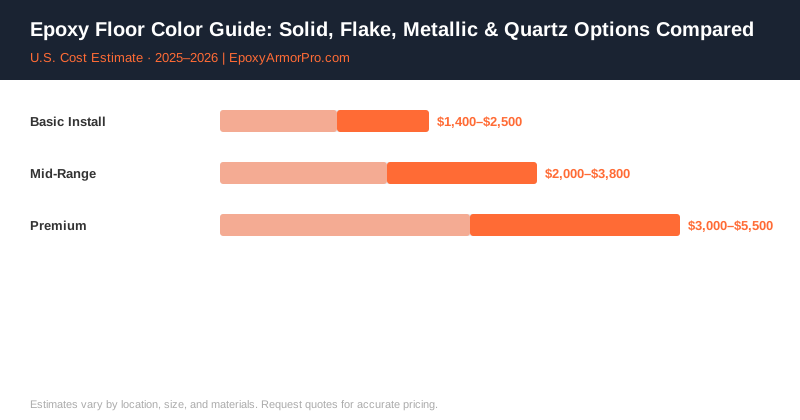
Prices above are material-only for DIY and total installed cost for professional. A 500 sq ft garage will typically run $2,000–$4,000 for a professional full-broadcast flake system — the most common residential choice.
How to Match Color to Your Home
A few practical rules that most homeowners learn too late:
Match your garage door color, not your house. The floor is in the same visual plane as the inside of your garage. When the door is open, the floor reads against the garage walls, not the exterior siding.
Lighter floors make small spaces feel bigger. If you have a single-car garage or a basement under 400 sq ft, a dark charcoal solid floor will shrink the room. A light gray or beige flake blend opens it up.
Warmer rooms need cooler floors — and vice versa. A south-facing garage that gets afternoon sun already feels warm. Adding a terracotta or tan floor compounds that. A cool slate gray balances it.
Consider your vehicles. A white full-broadcast floor under a black car looks incredible. Under a dusty work truck, it’s a cleaning nightmare every week.
- Solid colors: Most likely to show UV yellowing over time if the topcoat lacks UV inhibitors. Ask your contractor whether a UV-stable aliphatic polyurethane or polyaspartic topcoat is included.
- Decorative flake: The most forgiving — chips hide wear, scratching, and surface dirt. Best for high-traffic areas.
- Metallic: Looks stunning for 5–8 years. Heavy forklift traffic or sharp point loads can crack the finish, and repairs are nearly impossible to blend.
- Quartz: The most durable surface system available. Commercial kitchens use it because it holds up under decades of heavy use. Residential quartz floors routinely outlast the house’s other flooring by 10+ years.
Color and Heat Absorption
Dark floors absorb significantly more radiant heat than light floors. In a south-facing garage in Texas, Arizona, or Florida, a dark charcoal solid floor can reach surface temperatures of 130°F+ in summer. That doesn’t damage the epoxy, but it affects how long you want to stand on it barefoot.
It also matters for hot tire pickup — a known failure mode where heat-softened epoxy adhesion fails under the weight and heat of vehicle tires. Quality polyaspartic topcoats resist hot tire pickup much better than standard epoxy clear coats. If you’re in a hot climate, confirm with your contractor that the topcoat is rated for hot tire resistance. See our epoxy vs. polyaspartic comparison for details on topcoat options.
What Color Won’t Fix
Color is the last decision, not the first. The most beautiful metallic epoxy will fail in 18 months if the concrete wasn’t properly prepped. Surface contamination (oil stains, moisture vapor, old sealers) causes delamination regardless of what color is on top.
The preparation — acid etching or diamond grinding the concrete — determines whether the floor lasts 3 years or 20 years. A gorgeous color on a bad prep is just expensive disappointment.
The Maintenance Factor by Color
Lighter flake blends need sweeping 2–3 times per week in an active garage — they show dust and tracked debris more readily. But they’re also easier to spot-clean because you can see exactly where the dirt is.
Dark solid floors look pristine between cleanings but then suddenly look filthy all at once when they finally get dirty. Metallic floors are the most finicky — avoid dragging anything across the surface and steer clear of abrasive cleaners. For full care guidance, see our epoxy flooring maintenance tips.
Contractor Referral Disclaimer: EpoxyArmorPro is a contractor referral and cost information service, not a licensed flooring contractor. We connect consumers with independent, licensed, and insured contractors. We do not perform any flooring work directly. Cost estimates are averages based on market data and vary by location, project size, materials, and contractor. Always verify contractor licensing and insurance before hiring. Individual quotes may differ from estimates shown.