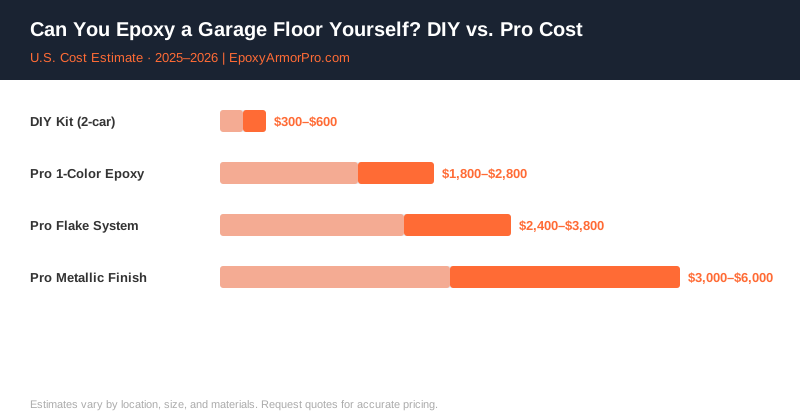
A box-store epoxy kit costs about $80. A pro quote for the same garage might be $2,800. That math makes the DIY route look like a no-brainer — until you understand what’s actually in those two numbers. One is a coat of paint-grade epoxy you roll on over a Saturday. The other is a multi-layer system bonded to a properly ground slab with a warranty behind it. Whether DIY makes sense for you comes down to your slab’s condition, your tolerance for prep work, and how long you need the floor to last.
What the DIY Route Really Costs
The sticker price on a DIY kit is only the start. Here’s the honest tally for a two-car garage:
| Item | Cost | Notes |
|---|---|---|
| Water-based epoxy kit (2-car) | $80–$200 | Big-box brands, single coat |
| Concrete grinder rental | $75–$150/day | Or $30 for an etching acid kit |
| Crack filler + patch | $30–$60 | Polyurea preferred |
| Squeegee, rollers, spike shoes | $40–$80 | Single-use for most folks |
| Decorative flake (optional) | $40–$120 | If you want a finished look |
| Total DIY (realistic) | $300–$600 | Plus a full weekend of labor |
According to HomeAdvisor’s 2024 cost data, professional epoxy garage installs average $2.00–$5.00 per square foot, putting a two-car garage at roughly $1,800–$3,800. The DIY savings are real — but so is the failure rate.
Where DIY Goes Wrong
The number-one reason DIY epoxy fails isn’t the product. It’s prep. Epoxy bonds to a clean, profiled surface, not a sealed or contaminated one. The Concrete Network notes that inadequate surface preparation accounts for the majority of coating failures — and acid etching, the shortcut most DIY kits recommend, rarely opens the concrete profile as well as diamond grinding does.
DIY vs. Pro: The Honest Comparison
| Factor | DIY Kit | Professional |
|---|---|---|
| Upfront cost (2-car) | $300–$600 | $1,800–$3,800 |
| Prep method | Acid etch (usually) | Diamond grinding |
| Coating thickness | 3–5 mils | 10–40 mils |
| Typical lifespan | 1–5 years | 10–20 years |
| Warranty | None | 5–15 years common |
| Hot tire resistance | Low | High |
| Your time investment | 1–2 full weekends | None |
That thickness row matters more than people expect. A DIY kit lays down a film around 3–5 mils thick. A pro system with primer, base, broadcast flake, and topcoat builds to 10–40 mils. Thicker means it shrugs off hot tire pickup, dropped tools, and years of foot traffic.
When DIY Actually Makes Sense
DIY isn’t always the wrong call. It’s a reasonable choice when:
- Your slab is newer, clean, never sealed, and crack-free
- You’re coating a low-traffic space — a shed, a workshop corner, a basement utility area
- You’re comfortable renting and running a floor grinder
- You see the floor as a 3–5 year solution, not a forever job
It’s the wrong call when the slab is old, cracked, oil-stained, or below grade with moisture issues. Those are the exact conditions that demand grinding, moisture testing, and pro-grade materials.
Frequently Asked Questions
Can I really epoxy my own garage floor? Yes — millions of homeowners do it every year. The product is forgiving to apply; it’s the prep and the slab condition that determine whether it lasts. If you grind instead of etch and your concrete is sound, a careful DIY job can hold up well.
How much do I save going DIY? Roughly $1,500–$3,000 on a two-car garage. But that assumes the floor doesn’t fail. Factor in the redo risk before treating the full gap as savings.
Is acid etching as good as grinding? No. Etching can work on bare, never-sealed concrete, but diamond grinding opens a far more consistent profile and removes contaminants etching leaves behind. It’s the single biggest reason pro jobs outlast DIY ones.
How long does a DIY epoxy floor last? Typically 1–5 years for a water-based kit, versus 10–20 years for a professional system. The gap is mostly about coating thickness and prep quality. For more on longevity, see our garage epoxy flooring guide.
Should I just use polyaspartic instead? Polyaspartic costs more and cures faster but is harder to apply as a DIYer because of its short working time. Our epoxy vs. polyaspartic comparison breaks down which makes sense for your situation.
Before you decide either way, it’s worth understanding what drives a pro quote up or down — our cost factors breakdown covers exactly that.
Contractor Referral Disclaimer: EpoxyArmorPro is a contractor referral and cost information service, not a licensed flooring contractor. We connect consumers with independent, licensed, and insured contractors. We do not perform any flooring work directly. Cost estimates are averages based on market data and vary by location, project size, materials, and contractor. Always verify contractor licensing and insurance before hiring. Individual quotes may differ from estimates shown.